Start with the installed machine, not a photograph
A useful enquiry for steam turbine spare parts starts with an equipment identity and a defined supply requirement. A request such as “bearing for a 25 MW turbine” leaves important questions unanswered: which manufacturer, which serial number, which bearing position, which drawing revision and whether the machine has been modified.
For Indonesian power plants and industrial operators, those gaps can become quotation delays, incompatible deliveries or work that cannot be completed during the planned outage. This guide explains how to build a request for quotation (RFQ), compare offers and agree the evidence needed before a component is released for manufacture or installation.
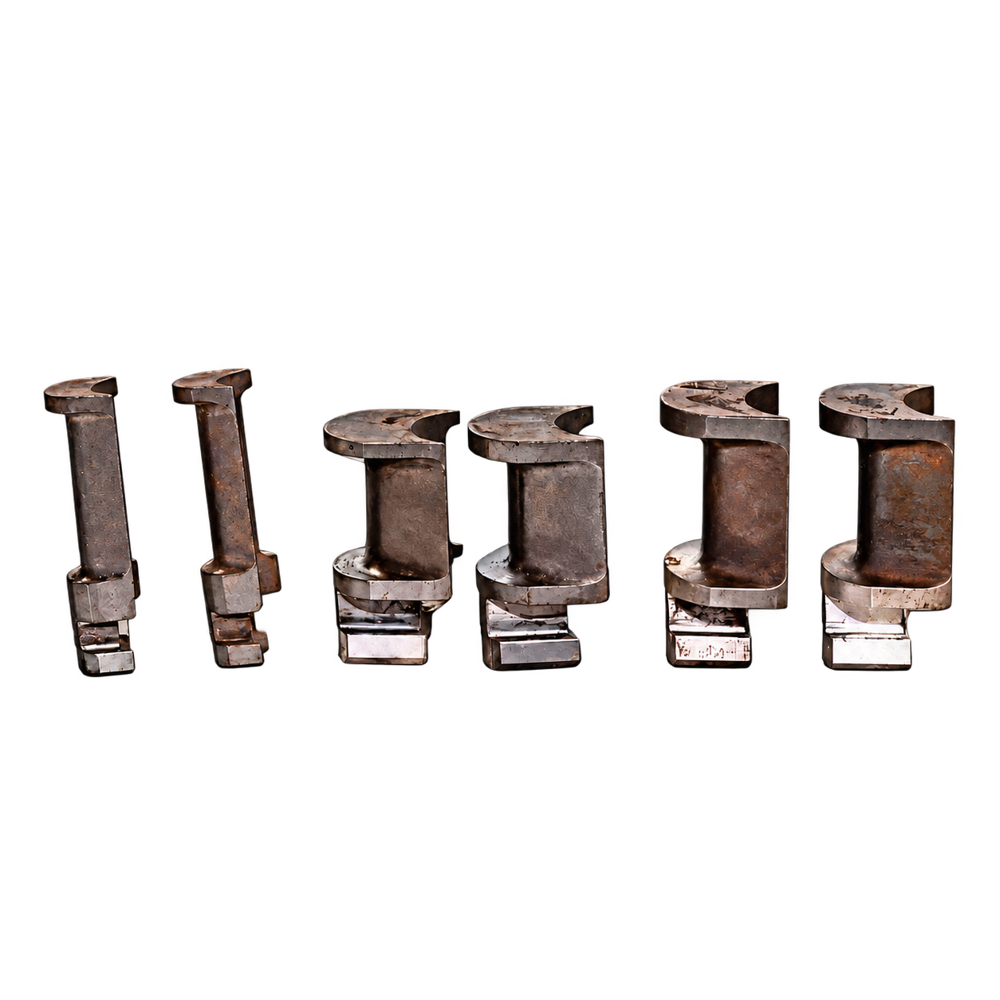
The shared article image is a conceptual illustration, not a manufacturing drawing or a guide to part dimensions.
1. Build an equipment identity pack
Provide a readable turbine nameplate, full model designation, serial or works number, manufacturer and plant unit number. State the application: power generation, backpressure service, extraction duty or mechanical drive. Add the installation year where known and identify the generator, gearbox or driven equipment separately.
Include the relevant equipment list, sectional drawing, parts list and previous supply references. Give every file a meaningful name and retain its revision. If a component was changed during an earlier retrofit, flag that change explicitly: an original parts list may no longer describe the installed arrangement.
Do not merge information from two similar units. If the plant has several machines, make a separate equipment identity for each one. A successful order for Unit 1 does not establish interchangeability with Unit 2.
2. Give every requested part a traceable line item
Use one line per component or clearly defined assembly. Include the component description, installed location, drawing number, item number, part number, revision, quantity and unit of supply. Specify whether the request is for a complete assembly, individual segments, a matched set or a repair service.
For example, “one set of gland seals” can mean different quantities and boundaries to different suppliers. Identify the locations and segments included. Likewise, a valve-internals enquiry should state whether the scope includes the stem, seat, bushings and associated sealing parts, or only one identified item.
Where identification is incomplete, mark the RFQ line “technical confirmation required” and list the missing information. This is more useful than treating a tentative description as an approved manufacturing specification.
3. Confirm the technical details that differ by component
Journal bearings and thrust components
Turbine journal and thrust bearings are sliding-bearing components, not generic rolling bearings selected from a catalogue by bore alone. Confirm the bearing position, drawing, relevant dimensions, lubrication interfaces and supplied assembly boundary. For repair, provide condition findings and the proposed inspection scope; repairability cannot be decided from a single photograph.
Gland seals and shaft sleeves
Identify the actual seal arrangement and the function of each sleeve. Not every shaft sleeve is a gland-seal sleeve. Confirm location, segment identification, dimensions, fixing details and drawing references. Installation clearances must follow the applicable equipment information rather than an assumed universal value.
Steam turbine blades
Identify the stage, row, moving or stationary function, quantity and whether individual blades or a complete set are required. Provide the approved blade and attachment drawings where available. Material, geometry and attachment compatibility require technical confirmation; visual similarity is not enough to release manufacture.
Valve parts
State whether the part belongs to the main steam stop valve, governing valve or another identified valve. Include valve identification, drawing references, service conditions and the assembly boundary. Distinguish a seat-leakage investigation from an external sealing problem: the same symptom word, “leakage”, does not define the required part.
4. What if drawings or part numbers are missing?
Begin with the information that can be established: nameplate, component location, previous purchase documents, photographs with useful views and existing inspection records. Separate verified information from estimates. Ask the supplier what additional identification or engineering assessment is required before a firm technical offer can be made.
A sample or dimensional survey may help an assessment, but neither automatically establishes the original material, heat treatment, design intent or allowable condition. Any reverse-engineering proposal should define responsibility for design verification, inspection and acceptance. Do not convert missing documentation into an unsupported compatibility claim.
5. Compare offers beyond the quoted price
Ask each bidder to respond against the same line-item list and document package. A lower price may reflect a different material proposal, incomplete assembly, missing inspection or excluded freight rather than a better offer.
Technical compliance: exact applicable references, exceptions, proposed alternatives and the approval needed for each deviation.
Supply scope: quantities, assembly boundaries, fasteners or consumables included, and any machining or installation work excluded.
Quality evidence: agreed material records, identification and inspection reports; define applicable testing instead of requesting an undefined “quality certificate”.
Schedule: the event that starts lead time, such as approved drawings, complete technical data or commercial release; distinguish manufacture, dispatch and site arrival.
Commercial terms: delivery location, freight, insurance, import responsibility, payment milestones, warranty terms and the process for resolving nonconformities.
Record clarifications in writing. A statement such as “equivalent to original” needs a defined technical basis and acceptance responsibility, not just a supplier signature on a quotation.
6. Plan site delivery and outage readiness in Indonesia
Work backward from the date the part must be inspected and available for installation, not merely the vessel departure date. Allow for the agreed shipping route, import clearance, inland transport, receiving inspection and any preservation or storage requirements. Confirm package dimensions, lifting needs and delivery access for large components with the site team.
Classify items as planned replacements, contingency spares or strategic long-lead components. Make the distinction visible in the purchase plan. A contingency item should not silently become a mandatory replacement, and an unconfirmed strategic item should not be assumed available for an outage commitment.
Connect the parts register to the outage planning and approval gates. If inspection may change the scope, agree who can approve additional purchases and what evidence is required.
7. Check the delivery before releasing it for installation
Receiving inspection should compare the delivered identification, quantity and documentation with the purchase order and approved technical references. Record discrepancies before installation. Preserve traceability between the component, its inspection records and the unit where it will be used.
Agree who verifies dimensions and fit, who approves deviations and how unsuitable material is segregated. The final installation and return-to-service checks remain equipment-specific. A delivered component is not automatically an accepted component, and a replacement part does not remove the need to investigate the cause of earlier damage.
Where condition findings remain unresolved, include inspection and diagnostics in the work plan. Coordinate parts supply with the steam turbine overhaul scope rather than treating procurement and maintenance as unrelated contracts.
A practical RFQ checklist
Plant, unit and delivery location in Indonesia.
Turbine manufacturer, full model and serial number.
Component description, installed position, drawing, item and part references, and revisions.
Quantity and assembly boundary.
Relevant photographs, inspection findings and known modification history.
Required technical documents, inspections and deviation-approval process.
Required site-ready date and agreed logistics responsibilities.
Technical and purchasing contacts, with a clear route for clarification.
Illustrative example: instead of “quote gland seals for a 25 MW turbine”, request the identified seal segments for a specific manufacturer and serial number, state the drawing revision and quantities, attach the installed-arrangement records and ask the supplier to confirm applicability and missing information. The example describes an enquiry method, not a completed customer project.
Request technical matching before committing to supply
For a parts enquiry, send the equipment identity and line-item list first. The steam turbine spare parts page provides the relevant supply categories. If the manufacturer identity is unclear, the guide to ten Chinese turbine manufacturers helps distinguish names; the actual nameplate and records still determine the machine.
Technical context: GE Vernova describes component assessment and replacement or refurbishment planning, while Siemens Energy highlights original drawings and tooling in spare-parts manufacture. These references support the importance of technical identification; the RFQ checklist above is practical procurement guidance, not an OEM manufacturing specification.